

Bioethanol Freestanding Stove
Freestanding stoves made of bioethanol are a great way to create your dream home. Since they don't require an chimney or flue, installation is simple and won't disrupt your home.
When choosing the best stove, it is important to be able to balance the initial investment with the long-term cost of fuel. You can estimate your fuel expenses by examining specifications, such as the size of the burner reservoir as well as the height of the flame.
Freedom to Place
A bioethanol stove is a modern elegant alternative to traditional wood burning fireplaces and wood burners. The main advantage is that they don't need a chimney or flue, which makes them an ideal choice for homes and rooms with a variety of rooms. They burn clean, ethanol-based fuel that doesn't produce harmful smoke or fumes. This makes them a nimble and practical heating solution that can be moved around without affecting your home's decor.
The versatility of a freestanding bioethanol fireplace lets you create a cozy and elegant focal point in any space such as an accent or feature piece in your living room or as an intimate backdrop to host guests. The size of the flame can also be adjusted to your preference. A larger flame produces more heat, while smaller flames give off more of a romantic glow. The finish and colour of the stove may influence the visual appeal. Neutral shades like black and white are a good match for most interior schemes and bolder colours can be contrasting or complementing existing furnishings.
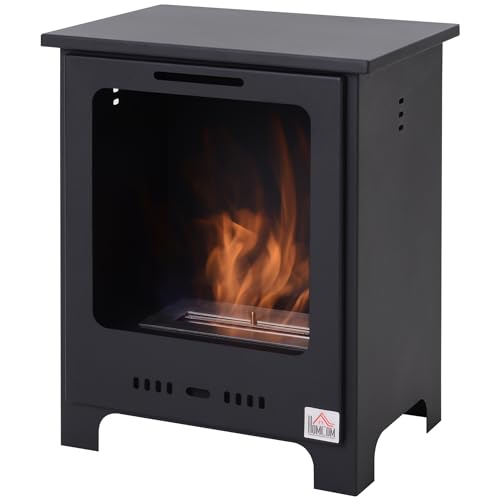
Installing bioethanol stoves is easy. They can be installed in different ways, from wall-mounted models with plug-and play functionality that can be set up in less than an hr to elaborately designed stoves that are ceiling or floor-mounted. Certain models come with remote controls that let you manage the flames and heat from the comfort of your sofa or armchair.
Another thing to take into consideration when choosing a stove made of bioethanol is the cost and long-term maintenance. Although the initial investment may be higher than traditional fires but there are typically lower ongoing costs since there is no need to regularly clean or replace of ash and logs. You should also be aware of the amount of bioethanol that your stove consumes per hour, since this will affect the frequency it will need to be refueled and what the total operating costs will be over the course of time.
Consult a specialist prior to installation if you are considering the installation of a bioethanol stove. This will ensure that your stove is properly positioned and is set up to ensure maximum safety and performance. bio ethanol free standing fireplace can also offer advice on how best to maintain your stove, ensuring it is looking and performing as new for as long as is possible.
Aesthetics
Comparing a bioethanol-fueled fire to traditional fireplaces or stoves, it is incredibly easy to operate. All you need to do is fill the burner tray with the liquid ethanol fuel, and then ignite it. Once lit, you can alter the intensity and height of the flame to your preference. The flame gives off a stunning warm glow that instantly transforms any room and makes it feel warm.
There are many fashionable designs available, which make them suitable for traditional and contemporary homes. Some of the most well-known models include an angled glass window that provides a clear view of flames, as well as an integrated fireplace log holder to make it appear as an old-fashioned wood-burning stove. Some models, like the Oslo by Henley, are more contemporary and have an open-flame look. They're perfect for creating a cozy environment with no hassle or maintenance.
Most bioethanol stoves are simple to install and require little maintenance. The fact that they don't produce smoke or ash means that you will not be faced with the mess that comes from burning wood. In addition the clean burn of bioethanol fuel ensures that you won't need to worry about breathing in toxic air pollutants or toxins.
It is important to keep in mind that all bioethanol fire places require adequate ventilation. They consume oxygen during combustion and a failure to do this could result in your stove not burning or even explosion. Luckily, many stoves come with built-in safety mechanisms that shut the flame down in the event that oxygen levels are too low.
It's also important to ensure that your bioethanol stove is placed away from any combustible materials, including curtains or soft furnishings. Certain models come with an automatic shut-off if they're left unattended too long. This improves safety and minimise the risk of causing damage. It's best to use liquid ethanol instead of solid fuels for your bioethanol stove. This will not only allow you to keep your home cleaner, but it will also save you money over the long term and lessen the environmental impact.
Efficiency
A freestanding bioethanol stove is also referred to as an bio fuel or ethanol-fired fireplace, uses clean liquid ethanol fuel to produce real flames and heat. Their sleek designs and high-efficiency operation have been a hit for modern homes who want to reduce their carbon footprints and improve the aesthetics of their living spaces. However, it is important that people are aware of the safety precautions and guidelines of the manufacturer that come with their use to ensure an enjoyable and safe experience.
Bioethanol fuel is available every year. It is produced by the fermentation of sugars, starches, and other starch elements in plants like straw and sugar cane. The fuel is made by distillation. When the liquid ethanol is ignited, it releases three major by-products : heat and water vapour. These by-products are not harmful to animals and humans. Bioethanol is an environmentally friendly alternative to traditional fossil fuels, and helps to create a the creation of a more sustainable energy system in the UK.
Although the nature of the fuel makes bioethanol stoves don't release harmful smoke or ash, they do require adequate ventilation in order to operate safely. They should be used well-ventilated and away from combustible material. Some bioethanol stoves come with adjustable burner trays, which allow users to alter the height of the flames. This can reduce the heat output, while also saving fuel.
The power output of a bioethanol freestanding stove can vary from model to model but the vast majority offer a maximum heat output of 1kW. This is ideal for heating smaller rooms, or as a secondary heating source to alleviate the chill of larger spaces.
Bioethanol fireplaces are a stylish modern heating option that can increase the value of your home while helping you save money on utility bills and chimney maintenance. By adhering to safety precautions and the guidelines of the manufacturer you can take pleasure in the beauty and warmth of a bio-fire without the cost of costly maintenance. As more people become aware of the environmental impact of their daily activities the demand for products like bioethanol stoves will continue increase.
Safety
Bioethanol stoves must meet certain safety standards in order to be used as a heating solution. They don't create harmful byproducts such as carbon monoxide, and they are safe to use in a space that has an open flame. Like all heating solutions, however, ventilation is required to ensure the best combustion of the appliance and remove harmful byproducts. Attention to fuel storage maintenance, installation and storage can also help avoid potential issues.
Another benefit to safety is the fact that, unlike gas fireplaces they do not have fuel lines. This means there is no chance of leaks and incidents with conduits full of noxious fuel. Additionally, since the fuel is liquid, if it leaves the limits of the burner once it's lit, it follows the flame, preventing a raging fire that can potentially lead to injuries to property or to people.
Bioethanol fireplaces are also an excellent alternative to gas and wood fireplaces because they don't need chimneys. They can be utilized in a variety of rooms and homes, such as flats, apartments, and conservatories. They also generate a substantial amount of heat for their size, and do not emit any smoke or ash, which makes them a great alternative to gas and wood fireplaces.
You can choose from a range of styles and finishes that will complement your home and your space. You can also search according to the brand. Trusted and established brands tend to be more expensive, but they offer support after sales and high-quality.
The final decision will be dependent on the equilibrium between your budget and long-term operating costs. Be sure to consider factors such as the burn time of each fill (usually up to five hours) as well as the fuel consumption rate and your usage patterns. A precise estimation will allow you to determine if the initial investment is worth it and also give you an idea of monthly or annual fuel costs. You should also think about the accessories you might require like an airflow controller or remote.